What is Foam Tape?
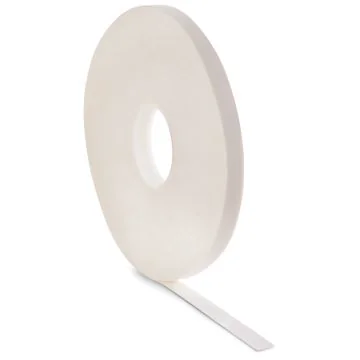
Foam tape is a pressure-sensitive adhesive tape with a compressible foam backing. It is used for sealing, bonding, mounting, cushioning, gasketing and vibration dampening, particularly where surfaces are uneven, textured or slightly irregular.
Foam tapes are available in open-cell and closed-cell constructions and can be coated with adhesive on one side or both sides. Depending on the product selected, they can help create seals against air, dust, water, weather and noise while also accommodating movement and surface variation.
Single Sided vs Double Sided Foam Tape
Single sided foam tape has adhesive on one face and is commonly used for sealing, gasketing, cushioning, draught exclusion and vibration reduction. It is often selected where the exposed foam surface needs to compress against another component.
Double sided foam tape has adhesive on both faces and is designed primarily for bonding and mounting. The foam core helps compensate for minor surface irregularities while maintaining contact between the two bonded surfaces.
What is Foam Tape Used For?
Foam tape is used across construction, glazing, HVAC, automotive and manufacturing applications. Typical uses include:
- Sealing against air, dust, water and weather
- Gasketing and joint sealing
- Mounting and bonding
- Cushioning and impact reduction
- Gap filling
- Vibration dampening
- Acoustic and noise reduction
- Thermal insulation
- Packing and surface protection
Choosing the Right Foam Tape
The correct foam tape depends on the application, the surfaces being bonded or sealed and the environmental conditions in service. Important factors include the substrate, required thickness and width, internal or external use, operating temperature, exposure to water or UV light, and whether the tape is required primarily for bonding, sealing, cushioning or a combination of these functions.
Foam density and cell structure are also important. Closed-cell foams are generally selected where water resistance and sealing performance are required, while open-cell foams are more compressible and may be preferred for cushioning, air sealing and acoustic applications.
Foam Tape Materials
Affixit supplies foam tapes manufactured from a range of materials, each offering different levels of compression, resilience, temperature resistance and environmental performance.
- Polyethylene (PE)
- Polyvinyl Chloride (PVC)
- Polyurethane (PU)
- EPDM
- EVA
- Neoprene
- Acrylic foam and solid acrylic mass tapes
Foam Tape Adhesives
Pressure-sensitive adhesives are designed to bond when firm pressure is applied during installation. This allows the adhesive to wet out across the substrate and develop the intended bond strength. The three main adhesive families used with foam tapes are rubber, acrylic and silicone.
Rubber Adhesive
Rubber-based adhesives typically provide strong initial tack and are commonly used for internal applications. They generally offer a lower service-temperature range and less resistance to UV light, weathering and prolonged external exposure than acrylic adhesives.
Acrylic Adhesive
Acrylic adhesives are suitable for many internal and external applications. They generally provide good resistance to weather, water and UV exposure and can continue to build bond strength after application. They are widely used for permanent bonding and sealing where longer-term durability is required.
Silicone Adhesive
Silicone adhesives are used where a wide application and service-temperature range is required. They can also provide strong resistance to ageing, UV exposure and challenging environmental conditions.
Foam Tape Conversion and Bespoke Sizes
In addition to standard roll sizes, Affixit can supply foam tape in a wide range of widths and thicknesses, with bespoke converted rolls, sheets and gaskets available for specialist applications.